


Planned Preventative Maintenance: Why It Protects More Than Just Your Assets
- Kellie Pickett

- Jul 28, 2025
- 2 min read
Updated: Sep 9, 2025
In property management, there’s always pressure to cut costs and focus on urgent repairs. But the truth is: every time we skip or delay preventative maintenance, the risk grows, not just for assets, but for residents, budgets, and compliance.
Planned Preventative Maintenance (PPM) isn’t just about keeping equipment running. Done right, it’s about protecting the people, organisations, and communities those assets serve.
1. Planned Preventative Maintenance Keeps Buildings Safe and Compliant
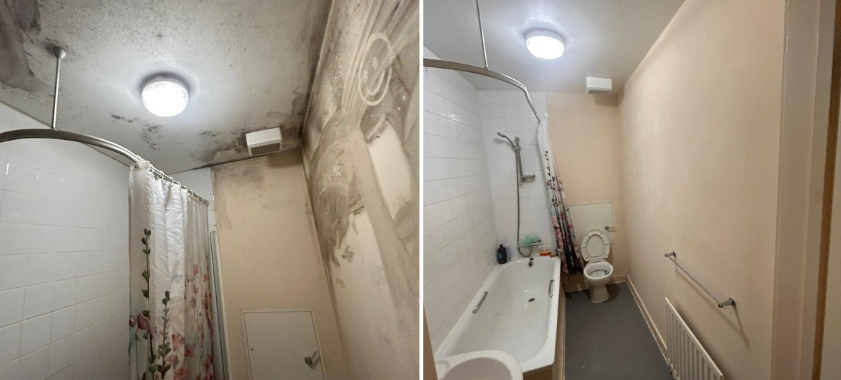
Compliance deadlines are getting stricter, particularly with new measures like Awaab’s Law, which forces housing providers to act faster on health risks such as damp and mould. PPM gives landlords a safety net, issues are caught and dealt with before they become legal or compliance breaches.
Examples include:
Annual gas servicing to meet legal requirements.
Routine ventilation inspections to prevent damp and mould.
Regular Legionella checks to protect water safety.
2. PPM Protects Health and Wellbeing
Breakdowns don’t just cost money, they affect people. In healthcare, education, and housing, residents and staff rely on systems working correctly every single day.
In heating, we service everything from domestic boilers to large commercial plant rooms. For clients like A2 Dominion, that means monthly plant checks throughout the year. Boilers are maintained during summer so that winter breakdowns are prevented, avoiding dangerous cold spells for residents.
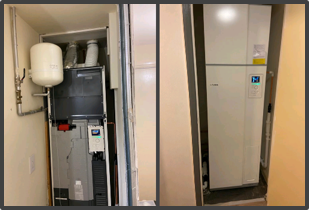
In ventilation, our engineers service MVHR and PIV units, replacing or cleaning filters to prevent poor air quality, condensation, and mould growth. Even if a client has opted out of replacement, we always report and recommend where parts are no longer safe.
3. PPM Controls Budgets (Without Overspending)
It’s not about doing more work, it’s about doing the right work at the right time. For example, with Cygnet Healthcare, regular heating system servicing over the last five years has led to a noticeable drop in emergency call-outs. Together we’ve worked within their budget constraints, upgrading or replacing parts only when needed, and building systems up to a point where they run more efficiently and cost-effectively.
4. PPM Protects Reputation
For housing associations, education providers, and healthcare clients, reputation matters. A single compliance breach or avoidable breakdown can lead to regulator intervention, Ombudsman complaints, or damaging publicity. Being able to demonstrate a robust PPM schedule, with documented evidence through platforms like Simpro, shows regulators, residents, and stakeholders that risks are being managed responsibly.
5. PPM Isn’t Seasonal - It’s Strategic
Heating: vital works are carried out in spring and summer so boilers are ready for winter.
Air Conditioning: the opposite, checked in autumn and winter so systems don’t fail during hot months.
Legionella: preventative checks and remedials protect year-round water safety.
The point is simple: planned maintenance prevents firefighting later on.
Planned Preventative Maintenance protects much more than the assets on site, it protects compliance, health, budgets, and reputation. With tighter legislation and higher expectations across housing, healthcare, and education, PPM is no longer optional; it’s essential.
If you’d like to find out how Advanced Maintenance UK Ltd can support your organisation with tailored PPM schedules, contact us today.






Comments